
About
Westrik Consultancy
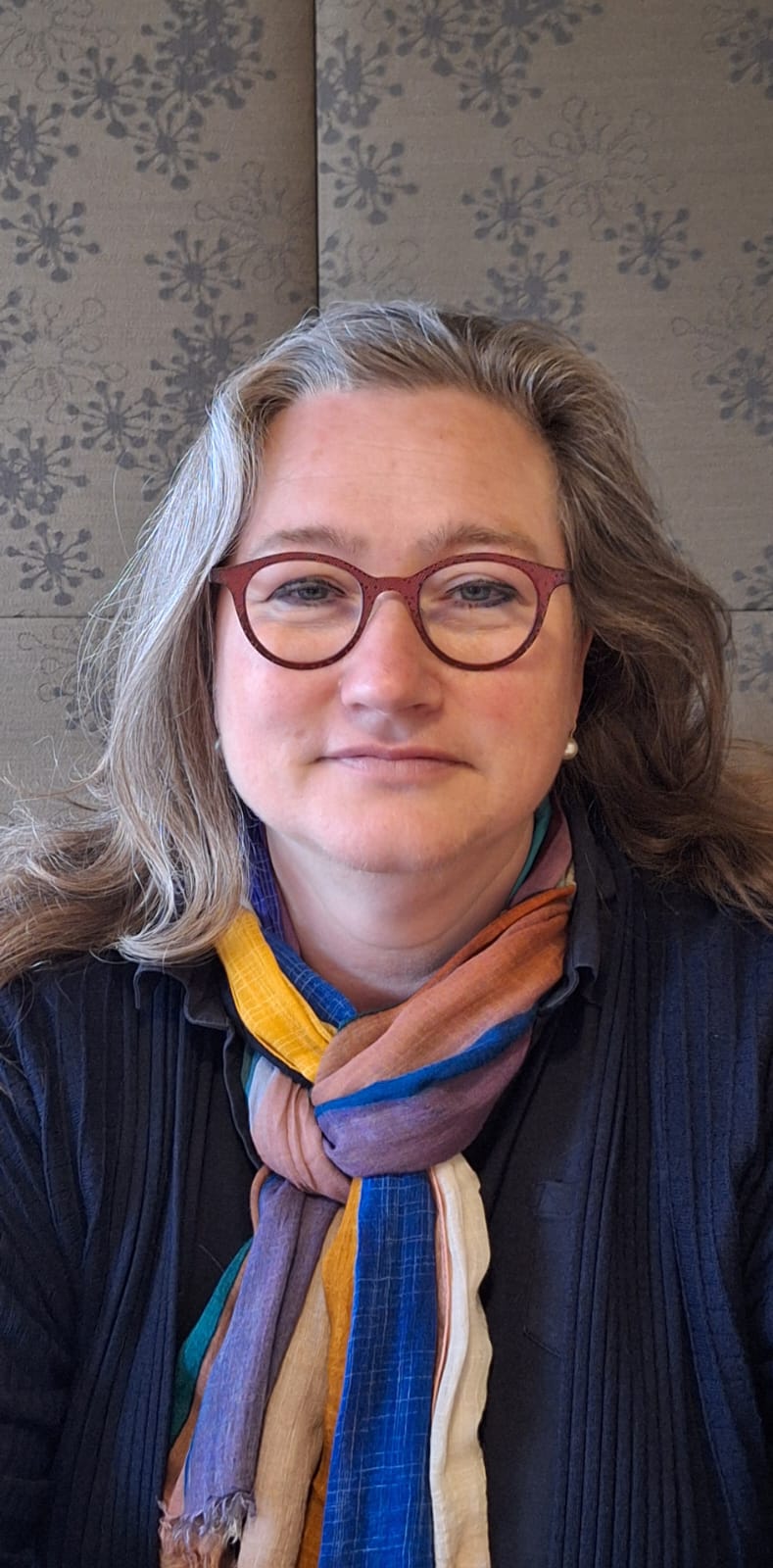
Dr Carol Westrik

Westrik Consultancy provides professional advice on cultural and natural heritage and specialises in UNESCO World Heritage. Areas of expertise include World Heritage nominations, conservation and management, sustainable tourism and cultural landscapes. In addition, Westrik Consultancy also works in the field of other UNESCO Conventions and Programmes, such as Intangible Cultural Heritage and Global Geoparks.
Westrik Consultancy brings different parties together, works to unite different viewpoints while respecting individual opinions, and ensures consistency, coherence and professional coordination of the work.
Dr Carol Westrik
Carol Westrik combines academic expertise with 30 years of field and policy experience. She is an art historian with a master's in the conservation of historic landscapes and a PhD in Post-war Reconstruction and Development.
Carol has worked as an advisor to governments, advisory bodies, UNESCO and individual World Heritage properties. She has seen the heritage field from as many angles as possible and understands how the different organisations work.
Recent professional engagements
- World Heritage advisor to the Beemster Polder (2017 – 2026)
- Consultant for UNESCO Global Geopark Schelde Delta (2020 – 2023) and Geopark Peelhorst en Maasvallei (2024 – present)
- Consultant to the Irish government regarding its World Heritage
- Consultant to the DRU Industrial Park on international recognition of the DRU (2022 – 2023)
- Consultant to the UNESCO World Heritage Centre, including drafting the Analysis of the Global Strategy (1984–2020) (2021)
- World Heritage advisor to the Royal Eise Eisinga Planetarium (2020 – 2021)
Publications
Please find below some examples of publications by Carol Westrik.
- Westrik, C., 'World Heritage and Sustainable Tourism: A Multifaceted Relationship', in M.-T. Albert (ed.) (2015). Perceptions of Sustainability in Heritage Studies, De Gruyter, Berlin and Boston.
- Westrik, C., 'Opportunities and Challenges of Protected Areas in Post-Conflict Peacebuilding', in Young, H. and L. Goldman (eds.) (2015). Livelihoods, Natural Resources, and Post-Conflict Peacebuilding, Routledge, Abingdon and New York.
- Westrik, C., 'Recognizing World Heritage best practices in successful and sustainable management', World Heritage Review, 67 (April 2013).
- Engels, B. and C. Westrik, 'Sustainable development in the Wadden Sea, A Dutch-German World Heritage site', in Galla, A. (ed.) (2012). World Heritage. Benefits Beyond Borders, UNESCO Publishing, Paris and Cambridge University Press, Cambridge.
- Totcharova, P. and C. Westrik, 'Capacity building in Central, Eastern and South-Eastern Europe', World Heritage Capacity Building Newsletter, 3 (2012).
- Westrik, C., (2012). The future of World Heritage. The Netherlands and the UNESCO World Heritage Convention, Vrije Universiteit, Amsterdam.
- Westrik, C., 'Beemster Polder: turning water into land', World Heritage Review, 59 (March 2011).
- Westrik, C. and S. Neuerburg, The Role of Culture in Post-conflict and Post-disaster Situations, Forum Archaeologiae 55/VI/2010.
- Westrik, C., 'The Challenges and Opportunities of World Heritage in Times of Armed Conflict', paper presented at the Conference on World Heritage and Sustainable Development, Portugal, 7-9 May 2007.
- De Merode, E., R. Smeets and C. Westrik (eds.), Linking Universal and Local Values; Managing a Sustainable Future for World Heritage, World Heritage Papers, 13 (2003).